

Why Tiny White Worms Sometimes Come Out of Strawberries in Salt Water
- Formulas
Cuisine And Stories
- 0
- 4 minutes read
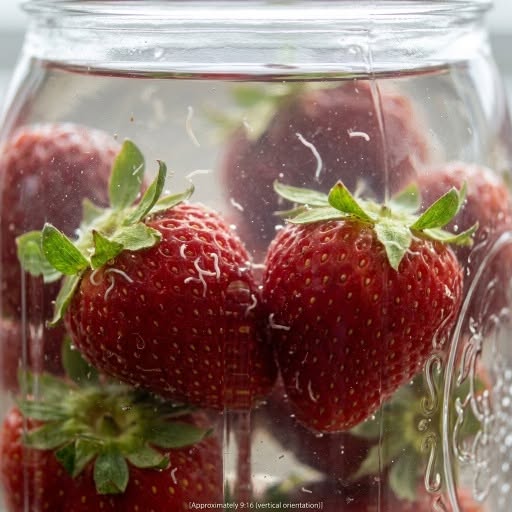
If you’ve ever soaked fresh strawberries in a bowl of salt water and noticed tiny white worms slowly emerging from the fruit, you’re certainly not alone. Videos showing this surprising phenomenon have spread across social media, leaving many people wondering whether strawberries are safe to eat and if every berry contains hidden insects.
Although the sight can be unsettling, the explanation is much less alarming than many online posts suggest. In some cases, these tiny white larvae are the immature stage of certain fruit flies that lay their eggs inside ripening fruit while it is still growing in the field. When the berries are soaked in salt water, some larvae may leave the fruit, making them easier to notice.
The important thing to remember is that this is a naturally occurring agricultural issue rather than evidence that strawberries are unsafe. Like many fresh fruits grown outdoors, strawberries are exposed to insects, rain, soil, wind, and wildlife throughout the growing season.
Why Does This Happen?
Unlike many insects that lay eggs on damaged or overripe fruit, the Spotted Wing Drosophila is unusual because the female fly can pierce healthy, ripening fruit with a specialized egg-laying organ.
Once the eggs hatch, tiny larvae develop inside the soft fruit while feeding on its juices.
When strawberries are later submerged in salt water, the change in the surrounding environment may encourage some larvae to move out of the fruit, making them visible.
Not every strawberry contains larvae, and many batches contain none at all.
Which Strawberries Are More Likely to Contain Larvae?
The possibility varies depending on several factors, including growing conditions, harvesting practices, weather, and pest management.
Larvae are generally more likely to be found in:
Homegrown strawberries
Organic strawberries
Strawberries purchased from local farms or farmers’ markets
Fruit that has remained on the plant longer before harvesting
Overripe or damaged strawberries
Commercially grown strawberries sold in supermarkets typically undergo pest management programs that greatly reduce the likelihood of infestation, although no farming system can completely eliminate insects from outdoor crops.
What Do the Larvae Look Like?
The larvae are usually very small and can be difficult to notice without close inspection.
They are commonly:
White or nearly transparent
Soft-bodied
Legless
Only a few millimeters long
Thin and slightly curved
Because of their tiny size, many people never notice them at all unless they intentionally soak strawberries in salt water.
Are They Dangerous?
Current evidence suggests that these larvae are not known to be harmful if accidentally consumed.
People who regularly eat fresh fruit may unknowingly consume tiny insects or insect fragments from time to time without experiencing health problems. In fact, small amounts of insect material are considered unavoidable in many agricultural products and are regulated within food safety standards in many countries.
Although the larvae themselves are not considered dangerous, most people understandably prefer to remove them before eating the fruit.
Does Every Strawberry Have Worms?
No.
One of the biggest misconceptions online is the claim that every strawberry contains worms.
This is simply not true.
Many strawberries never come into contact with egg-laying insects, while others are harvested before eggs have an opportunity to hatch.
Whether larvae are present depends on many variables, including:
Geographic location
Time of year
Weather conditions
Farm management practices
Variety of strawberry
Local insect populations
Some containers may contain no affected berries at all.
Why Does Salt Water Make Them Come Out?
Salt water does not create the worms.
Instead, soaking changes the environment surrounding the fruit.
Some larvae respond by moving toward the surface or leaving the berry entirely, making them visible.
Even plain water may occasionally have a similar effect, although salt water is generally considered more effective for cleaning certain insects from fresh produce.
How to Reduce the Risk
If you’d like extra peace of mind before eating strawberries, a few simple preparation steps can help remove dirt, insects, and surface debris.
1. Inspect the Strawberries
Look for berries that appear unusually soft, damaged, leaking juice, or partially collapsed.
Discard any fruit showing signs of spoilage or mold.
2. Remove the Green Tops After Washing
Keeping the stems attached during washing helps reduce water absorption while cleaning the fruit.
3. Rinse Under Running Water
Place the strawberries in a colander and rinse them thoroughly under cool running water while gently rubbing each berry.
This removes dirt, dust, and many surface contaminants.
See more on the next page