

Olive Bacon and Cheese Bread
- Desserts
Cuisine And Stories
- 0
- 7 minutes read
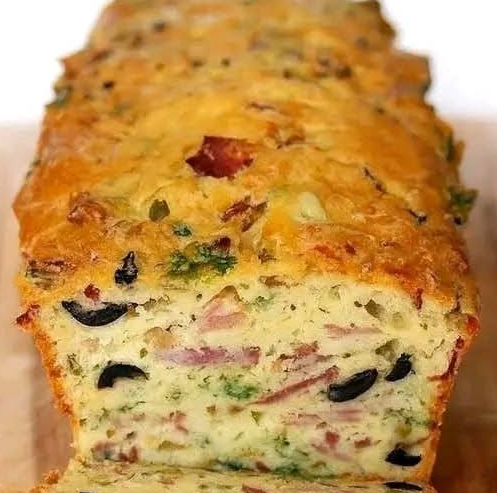
Preheat your oven to 375�F (190�C). Grease and flour a standard 9�5-inch loaf pan, or line with parchment paper, leaving an overhang on the sides for easy removal.
In a large bowl, whisk together the all-purpose flour, baking powder, baking soda, salt, black pepper, and garlic powder. Set aside.
In a separate medium bowl, whisk together the melted butter (or olive oil), buttermilk, and lightly beaten eggs until well combined.
In a small bowl, toss the cooked and crumbled bacon, chopped olives, and shredded cheese with 1 tablespoon of all-purpose flour. This step helps prevent the heavier ingredients from sinking to the bottom of the loaf during baking. If using, add the chopped chives or parsley to this mixture.
Pour the wet ingredients into the dry ingredients. Stir with a spatula or wooden spoon until just combined. The batter should be thick and lumpy; do not overmix, as this can lead to a tough bread.
Gently fold in the floured bacon, olives, and cheese mixture until evenly distributed throughout the batter. Again, mix minimally.
Pour the batter into the prepared loaf pan, spreading it evenly with the back of a spoon or spatula.
Bake for 45-55 minutes, or until a wooden skewer or toothpick inserted into the center of the loaf comes out clean. The top should be golden brown and firm to the touch.
Once baked, remove the loaf pan from the oven and let it cool in the pan on a wire rack for 10-15 minutes.
After cooling slightly, carefully lift the bread out of the pan using the parchment paper overhangs (if used) or invert it onto the wire rack. Allow it to cool completely before slicing, as this helps the bread set and prevents crumbling.
Slice with a serrated knife and serve warm or at room temperature.
Cooking Tips and Variations
For the perfect Olive Bacon and Cheese Bread every time, remember that the key to a tender quick bread is not to overmix the batter. Overmixing develops gluten, which can lead to a tough, dense loaf. Mix until the wet and dry ingredients are just combined, with a few lumps still visible. An important trick to ensure your bacon, olives, and cheese don�t all sink to the bottom of the loaf is to toss them with a tablespoon of flour before folding them into the batter. This light coating helps them suspend in the batter during baking, ensuring even distribution and flavor in every slice. For a truly crispy bacon experience, make sure your bacon is cooked until very crisp and then crumbled into small pieces before adding it to the mix. Patting the olives dry, especially if they are brined, can also prevent excess moisture from affecting the batter.
This recipe is wonderfully adaptable, allowing you to customize it to your taste. For cheese, while sharp cheddar is a classic choice, feel free to experiment with Gruyere for a nutty, earthy flavor, smoked Gouda for an extra layer of smokiness, or a blend of Parmesan and mozzarella for a more Italian-inspired profile. When it comes to olives, Kalamata olives offer a rich, briny taste, but green olives, such as Castelvetrano or Manzanilla, can also be used for a milder, buttery note. Just be sure to pit and chop them well. To introduce an herbal twist, incorporate fresh rosemary or thyme alongside the chives or parsley. A pinch of red pepper flakes can add a subtle warmth and kick if you enjoy a little heat. For a richer, slightly denser loaf, you can substitute half of the buttermilk with sour cream or plain Greek yogurt. You can also add a handful of sun-dried tomatoes (oil-packed, drained, and chopped) for a burst of concentrated tomato flavor that pairs beautifully with the other savory ingredients.
Storage and Reheating
To maintain the freshness and deliciousness of your Olive Bacon and Cheese Bread, proper storage is key. Once the loaf has completely cooled to room temperature, wrap it tightly in plastic wrap or aluminum foil. You can also place it in an airtight container or a large, sealable plastic bag. Stored this way, the bread will stay fresh at room temperature for up to 3-4 days. For longer storage, this bread freezes beautifully. Wrap the cooled loaf tightly in plastic wrap, then an additional layer of aluminum foil, or place it in a freezer-safe bag. It can be stored in the freezer for up to 2-3 months. When you�re ready to enjoy it, simply thaw the frozen loaf overnight in the refrigerator or on the counter at room temperature for a few hours.
Reheating this savory bread enhances its flavors and restores its delightful texture. For individual slices, you can reheat them in a toaster oven or a regular oven at 300�F (150�C) for about 5-10 minutes, or until warmed through and slightly crisp on the edges. If reheating a whole loaf, wrap it loosely in aluminum foil and warm it in a preheated oven at 325�F (160�C) for 15-20 minutes, or until heated through. Alternatively, a quick zap in the microwave for 15-30 seconds per slice can also work, though it might make the bread slightly softer rather than crispy. Enjoy it warm with a pat of butter, alongside a bowl of soup, or as a hearty snack. The bacon and cheese flavors truly shine when the bread is warm, making it an incredibly satisfying treat.
Frequently Asked Questions
Can I make this bread ahead of time?
Absolutely! Olive Bacon and Cheese Bread is an excellent make-ahead option. You can bake it a day or two in advance and store it at room temperature, well-wrapped. The flavors often deepen overnight, making it even more delicious. It also freezes well, so you can bake multiple loaves and freeze them for future enjoyment, making meal prep or entertaining much easier.
What kind of olives are best for this recipe?
For this recipe, pitted black olives, such as Kalamata or regular canned black olives, work wonderfully. Kalamata olives offer a richer, fruitier, and brinier flavor that pairs exceptionally well with bacon and cheese. However, green olives like Manzanilla or Castelvetrano can also be used if you prefer a milder, buttery taste. Just ensure they are pitted and chopped into small pieces before mixing them in.
My bread came out too dense. What went wrong?
A common reason for dense quick bread is overmixing the batter. When you mix the wet and dry ingredients, stir only until they are just combined. A few lumps are perfectly fine. Overmixing develops the gluten in the flour, which leads to a tough, dense texture instead of a light and tender crumb. Also, ensure your baking powder and baking soda are fresh and active, as expired leavening agents can result in a flat, dense loaf.
Can I substitute regular milk for buttermilk?
Yes, you can easily make a buttermilk substitute at home if you don�t have buttermilk on hand. Simply add 1 tablespoon of lemon juice or white vinegar to a measuring cup, then fill the rest of the cup with regular milk (dairy or non-dairy) until you reach the 1-cup mark. Let it sit for about 5 minutes until it slightly curdles. This acidified milk will react with the baking soda in the recipe, providing the necessary lift and tender texture that buttermilk typically offers.
See more on the next page